

If you have been googling PiggyVest vs Cowrywise vs Risevest in 2026, you are already ahead, because most Nigerians are still parking their money in bank savings accounts earning around 8% per annum while inflation quietly does the rest. These three apps are how millions of people are actually fighting back. The problem is that most people pick one based on a WhatsApp group opinion and never think about it again. That is leaving real money on the table.
PiggyVest, Cowrywise, and Risevest are all genuinely useful. But they are not useful for the same things. The question is not which one is best overall. The question is which one fits what you are actually trying to do with your money right now.
Current rates have been verified as of April 2026. Rates shift with CBN policy, so always confirm inside the app before committing.
PiggyVest vs Cowrywise vs Risevest: Quick Side-by-Side (April 2026)
| Features | PiggyVest | Cowrywise | Risevest |
|---|---|---|---|
| Best for | High fixed naira returns | Automated fund investing | Dollar protection |
| Top naira rate | 22% p.a. (SafeLock) | 15–19.6% (money market funds) | 22% p.a. (Naira Vault) |
| Dollar option | Flex Dollar | USD mutual funds | Dollar Vault at 10% p.a. |
| Minimum to start | ₦100 | ₦100 | $1 |
| Is it flexible | Yes and no — depends on the plan | Locked plans only at maturity | Vault is flexible |
| Regulated by | SEC Nigeria | SEC Nigeria | SEC Nigeria + registered in Delaware |
The CBN cut its Monetary Policy Rate to 26.5% in February 2026. Expect naira rates across all three platforms to drift gradually downward as the year progresses. Lock in while rates are still high.
PiggyVest: For the Person Who Needs Discipline More Than Anything Else
PiggyVest has been around since 2016, has over 5.5 million users, and its success comes down to one simple insight: most Nigerians are not bad at earning money. They are bad at keeping it. PiggyVest is built around that reality.
The regular PiggyBank gives you 18% per annum. Interest builds daily and lands in your account every month. This is your flexible savings product, that is, money you can access when you need it, but growing faster than any traditional bank will offer.

SafeLock is where PiggyVest really separates itself. You lock money for anywhere between 10 and 1,000 days and earn up to 22% per annum. The twist: your interest is paid upfront the moment you lock. Put in ₦500,000 today and that interest hits your wallet immediately before the lock period even starts. Nothing else in the Nigerian market does that.
Investify goes beyond saving into pre-vetted investments like real estate, commercial papers, agriculture, transport. Returns here can stretch past 25% annually, but understand what you are putting money into before you go there.
There is also HouseMoney, a product built specifically for people saving toward annual rent, and Flex Dollar for holding savings in USD.
Real-life example: A teacher in Abuja saving for next term’s school fees locks the money in SafeLock so she will not touch it for rent or an emergency that is not actually an emergency. Someone building a business buffer does the same, the lock keeps the money where it needs to stay.
The honest drawback: Some users reported issues following a January 2026 app update such as delayed withdrawals and keyboard bugs on certain screens. The platform is safe, but check their X page for current user feedback before committing to a major SafeLock.
PiggyVest is the right choice if: You want the highest fixed naira rate, you need something that stops you from spending money you meant to save, or you are building toward a specific goal with a clear deadline.
Cowrywise: For the Person Who Wants Their Money to Work Without Babysitting It
Cowrywise does not compete with PiggyVest on fixed rates. That is not what it is built for. Where it shines is giving ordinary Nigerians access to professional fund management without needing to understand what a treasury bill or commercial paper actually is.
Your money goes into mutual funds. Top performers on the platform as of April 2026 include TrustBanc at around 19.59% and United Capital at around 15.9% per annum. These are not fixed rates, they float with the market and with CBN decisions. You do not get a guaranteed number the way SafeLock does. What you get instead is diversification and genuine asset management by people whose job it is to watch this full time.
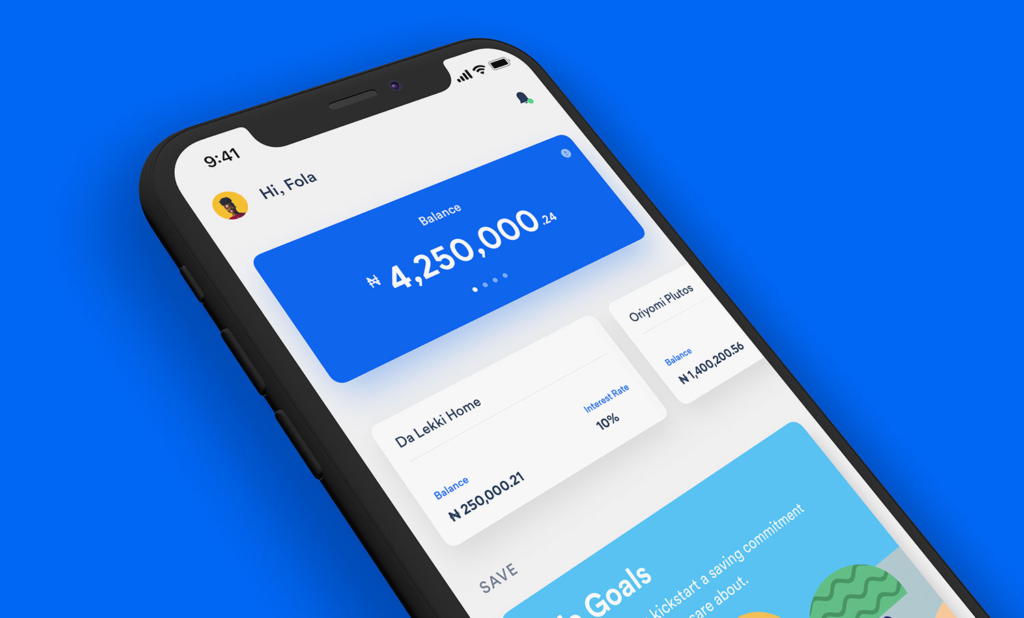
The automated saving plans are where Cowrywise earns its place. Set a rule once, like pull ₦15,000 on salary day and it runs without you. For anyone who has said ‘I’ll transfer to savings later’ and never did, this feature alone is worth it.
Locked plans carry no platform fee. Funds are held by Zenith Nominees, a licensed custodian. Cowrywise also offers Shariah-compliant options. The platform recently introduced a risk-based portfolio structure – Conservative, Moderate, Aggressive – so you pick your comfort level and it maps your money accordingly. Simple and clean.
Nigerian scenario: A young professional in Lagos building a japa fund uses Cowrywise because the automated transfers keep him consistent even in tight months. Parents saving for education goals like it because the progress tracking is clear and the automation removes the emotional decision of ‘should I transfer this month.’
The honest drawback: Returns are not guaranteed. If the CBN keeps cutting rates, money market fund yields will follow. The 19% you see today could be 16% in six months. That is the nature of market-linked products.
Cowrywise is the right choice if: You want your savings running on autopilot, you are investing toward a longer horizon like school fees or a business fund, or you want the feel of a portfolio rather than just a savings balance.
Risevest: For the Person Who Has Accepted That the Naira Is the Problem
Let’s be direct. Saving in naira (even at 22%) is a losing game over the long run if the naira keeps depreciating faster than your interest accumulates. The naira sat at around ₦500 to the dollar in 2021 and hit over ₦1,600 by 2024. A 20% annual return meant little when the currency lost 40% of its dollar value in the same period. Risevest was built for Nigerians who have felt that math personally.
The Dollar Vault gives you 10% per annum in USD, with interest credited monthly into your Rise wallet. You can withdraw flexibly and the minimum to start is just $1. That 10% is in dollars, compounding on an asset that is not bleeding value against major currencies the way the naira has.
The Naira Vault now offers 15 to 22% annually depending on duration, which makes Risevest competitive on the naira side too if you want everything in one place.
For actual investing, the other plans work in USD: Stocks historically returning around 14% per annum across US-listed companies, Real Estate at 13 to 15% in US commercial property, and Fixed Income at 10% per annum in sovereign dollar bonds paid at maturity. There is also a crypto withdrawal option now, supporting USDT and USDC for users who want to move funds to external wallets.
Real talk: Many people receiving remittances or earning in foreign currency now park part of their money here so it does not all convert to naira and start shrinking. Anyone building savings toward relocation should have a portion sitting in dollars while it grows — not in naira waiting to lose value between now and departure day.
The honest drawback: Investment plans beyond the Vault are locked by duration. Real estate and fixed income require a minimum of 3 months and you cannot access principal until maturity. Withdrawal to a Nigerian bank account takes one business day because funds need to liquidate first. Plan your cash flow accordingly.
Risevest is the right choice if: You earn in naira but want to protect part of your wealth from currency risk, you are saving toward a dollar-denominated goal like school fees abroad or a visa application, or you are part of the Nigerian diaspora managing money across two currencies.
The Question Everyone Gets Wrong
Most people debating PiggyVest vs Cowrywise vs Risevest in 2026 are treating it as a competition. It is not. The naira is not a stable store of value. The dollar is stronger but carries its own risks. Fixed rates give certainty but limit upside. Mutual funds give market returns but no guarantees. No single platform solves all of this at once, and none of them are trying to.
What most financially aware Nigerians in 2026 are actually doing is splitting:
- Emergency fund in PiggyVest SafeLock. Locked away, earning upfront interest, untouchable. This is not investment money. This is ‘if everything goes wrong’ money.
- Medium-term goals in Cowrywise. School fees in 18 months. Business capital for next year. Wedding fund. Things with a clear timeline longer than a SafeLock but shorter than forever.
- Dollar hedge in Risevest. 20 to 30% of savings sitting in the Dollar Vault, earning 10% per year in a currency the CBN cannot devalue with a press release.
That three-way split is not a complicated strategy. It just requires opening three apps and being deliberate about what each pocket of money is actually for.
People Also Ask
PiggyVest vs Cowrywise vs Risevest: Which has the highest returns right now?
For guaranteed naira returns, PiggyVest SafeLock at 22% per annum is the highest fixed rate in the market. For floating naira returns, TrustBanc on Cowrywise is close to 19.6%. For dollar returns, Risevest Dollar Vault sits at 10% per annum, modest in percentage terms, but significant when you factor in naira depreciation.
Are these apps safe?
All three are SEC-regulated. PiggyVest routes funds through CBN-licensed partner banks with NDIC coverage up to ₦5 million per depositor. Cowrywise funds are held by Zenith Nominees, a licensed custodian. Risevest is registered in both Nigeria and Delaware. None of them have had a major loss incident. That said, do not lock more than you can afford to wait for into any locked product.
Can I withdraw at any time?
PiggyBank on PiggyVest is flexible. SafeLock is not, your money stays until the date you chose. Cowrywise locked plans are only accessible at maturity. The Risevest Dollar Vault is flexible. Stocks on Risevest is also flexible. Real estate and fixed income require you to wait for maturity.
What about tax?
10% withholding tax on interest is standard in Nigeria and all three platforms handle the deductions automatically. Investment gains may also attract capital gains tax. If your amounts are significant, have a conversation with an accountant.
Which one should a beginner start with?
Open PiggyVest first. Lock ₦50,000 on SafeLock for 90 days and watch what it does to how you think about money. That experience is worth more than any article, including this one.
Final Word
Your bank is not your friend here. Traditional savings accounts in Nigeria are offering around 8% per annum while inflation quietly eats your purchasing power every single month. The whole PiggyVest vs Cowrywise vs Risevest conversation exists because that situation is not acceptable and enough Nigerians finally said so.
Pick one today and open it before you close this tab. Put in whatever you have, even ₦5,000. The return on ₦5,000 is not the point. The habit is. Then add a second platform in 30 days when you are comfortable. Then the third.
The people winning with money in Nigeria right now are not the ones who found the one perfect app. They are the ones who built three deliberate pockets and stopped letting their naira sit in a bank account going nowhere.
→ Open PiggyVest
→ Protect with dollars on Risevest
Rates verified as of April 2026 from official platform sources. Rates are subject to change with CBN Monetary Policy Rate adjustments. Always verify current rates inside the app before committing funds.
Sources: PiggyVest Blog | Cowrywise | Risevest | Technext (CBN MPR cut to 26.5%)
Related Posts



Related reading: New to money market funds? See Money Market Funds Explained: How They Work in Nigeria.