

You’ve done everything right. Month after month, you transfer money into your savings account and resist the urge to touch it. You pat yourself on the back for being responsible.
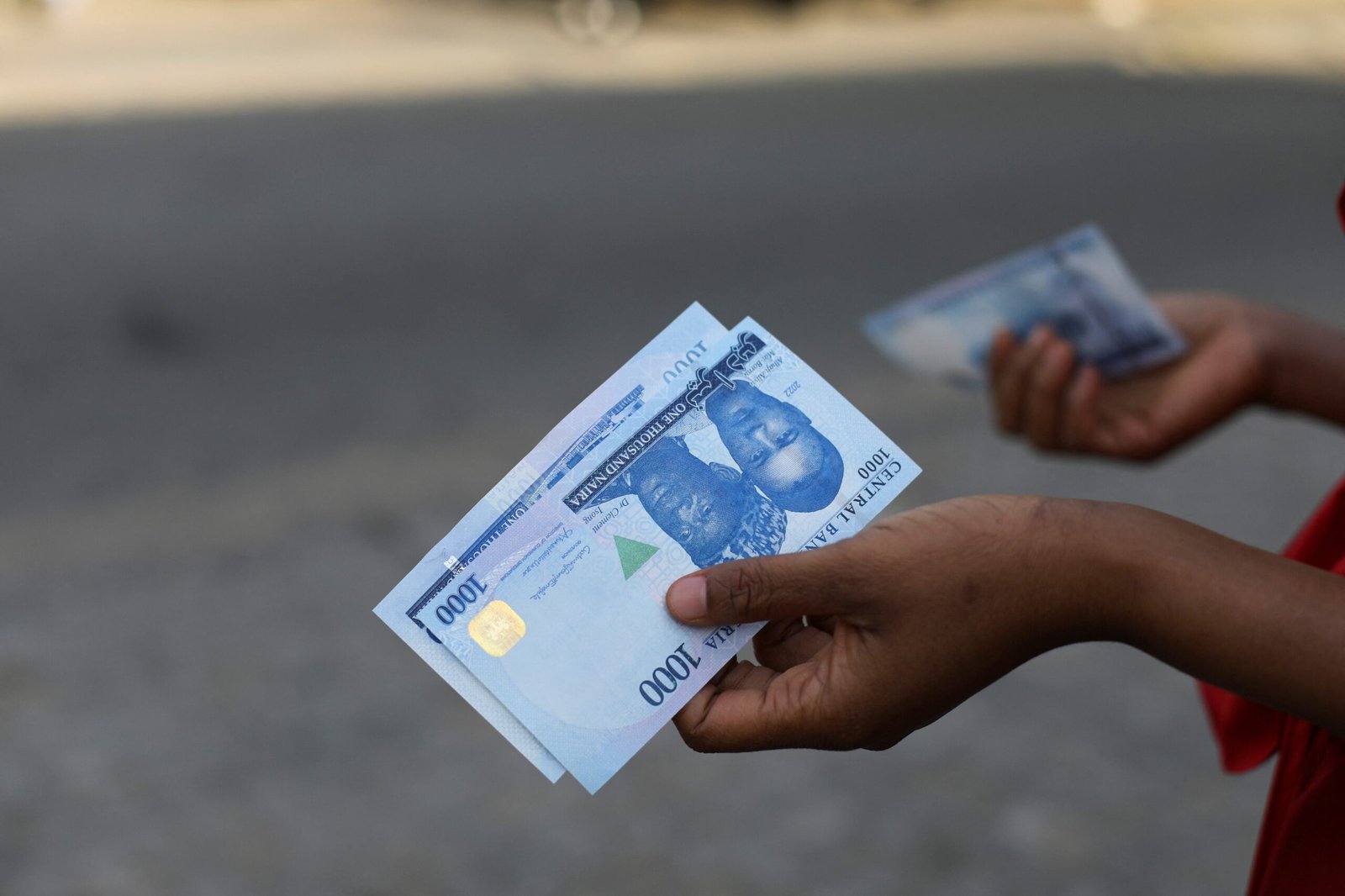
But here’s the uncomfortable truth: your savings are losing value in Nigeria, and we’re particularly concerned about it too. Someone once raised serious concerns about savings losing value in Nigeria, and the more we look at the numbers in 2026, the more valid those worries become. Funniest part is that you’re not losing this money because of theft or reckless spending, but because inflation is outrunning the measly interest your account earns.
Inflation continues to outpace what most traditional bank accounts pay, quietly eroding the real worth of your hard-earned money. This affects everyone, regardless of whether you’re saving in Lagos or managing remittances from abroad.
This article breaks down exactly what’s happening, shows the numbers with current 2026 data, and gives you clear, practical steps to protect your money.
Why Inflation Keeps Eating Your Savings
Inflation simply means the cost of everything is rising. When it runs higher than the interest you earn, each naira in your account buys less than it did before.
According to the latest data from the National Bureau of Statistics (NBS), Nigeria’s headline inflation eased slightly to 15.06% in February 2026, which is the lowest since November 2020. Food inflation stood at around 12.12%, still putting pressure on households. Source: National Bureau of Statistics.
Think about it this way: something that cost ₦10,000 a year ago now costs roughly ₦11,506. Your money didn’t shrink on paper, but looking closely, you’d discover it has a toll on real purchasing power.
The Painful Gap Between Bank Rates and Inflation
Most Nigerians still keep their savings in regular commercial bank accounts, believing it’s the safest option. Yet CBN figures show average savings deposit rates sitting between 7.95% and 8.10% per annum in early 2026, with many big banks (Access, GTBank, Zenith, UBA) offering around that mark.
Now compare that to 15.06% inflation.
Take a concrete example with ₦500,000 saved for one year:
- Interest you earn: ≈ ₦40,000 – ₦41,000 (at ~8%)
- Value lost to inflation: ≈ ₦75,300
- Net real loss: Roughly ₦34,000 – ₦35,000
Your bank statement looks slightly healthier, but in real life, you’ve taken a step backward. Economists call this a negative real interest rate (a silent drain on everyday savers).
How This Affects Diaspora Nigerians Too
If you live abroad and send money home, or keep naira accounts for family, you’re exposed on two fronts: domestic inflation and naira depreciation against the dollar.
The naira has lost substantial ground in recent years. Money you converted and left sitting in a low-yield naira account gets hit twice, once by rising prices at home, and again by currency weakening.
Many smart Nigerians in the diaspora are now keeping a portion of their earnings in stable foreign currency or dollar assets longer before converting only what’s needed.
Other Posts: How Much Does it Really Cost to Japa
Better Options to Actually Protect and Grow Your Money
The good news? You don’t need to be a millionaire or a finance expert. Several regulated, easy-to-use options now offer far better returns than traditional banks.
1. High-Yield Digital Savings Platforms
Fintech apps run leaner operations and often pass higher rates to customers. Top performers in 2026 include:
- PiggyVest: One of the most trusted names. Their flexible savings and SafeLock options frequently deliver competitive returns (often in the mid-to-high teens for locked funds). Great for building discipline with easy access when needed. Visit PiggyVest
- Cowrywise: Excellent for automated savings and money market funds with solid historical performance (past conservative portfolios have returned 14–24% in recent years). You can start with as little as ₦100. Explore Cowrywise
- Risevest: Ideal if you want dollar exposure to hedge against naira volatility. Offers USD-denominated investments with attractive yields. Check Risevest
These platforms are CBN- and SEC-regulated, with many deposits covered by NDIC up to ₦500,000.

2. Fixed Deposits (But Compare Carefully)
If you have a lump sum you won’t need for a while, fixed deposits can deliver better rates than regular savings. Some options (especially from merchant banks or fintech partnerships) now exceed 15–20% for longer tenors. Always verify NDIC protection and never lock money you might need urgently.
3. Build Dollar Savings Alongside Naira
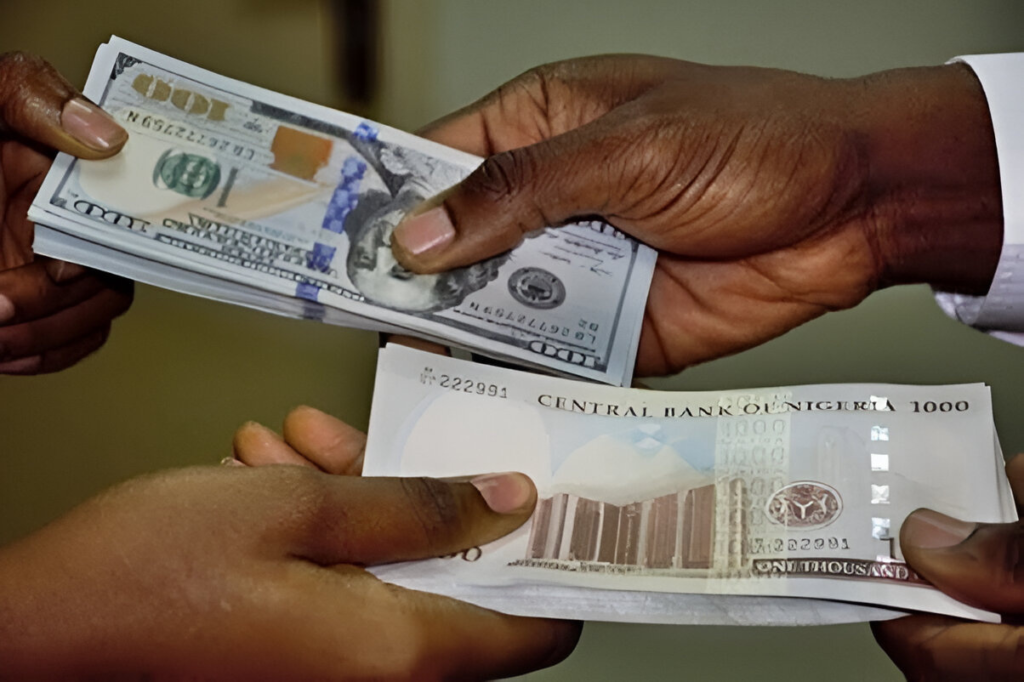
For many Nigerians (especially in the diaspora) holding a portion in dollars is one of the smartest hedges. Platforms like Risevest and Bamboo make it straightforward to invest in dollar assets from Nigeria. Even modest monthly contributions in USD can compound powerfully while shielding you from naira swings.
4. Government-Backed Treasury Bills and Bonds
Nigerian Treasury Bills (T-bills) remain a low-risk favorite. Recent auctions have seen yields in the 15–19%+ range, often competitive with or above inflation. You can buy them through your bank or via apps like Cowrywise and PiggyVest, which make smaller amounts accessible.
They may not be flashy, but they’re government-backed and reliable.
5. Don’t Let Remittances Sit Idle
If you send money home, have an honest conversation with your family. Cash landing in a regular current or low-interest savings account starts losing value immediately. Moving it quickly into PiggyVest, Cowrywise, or a similar platform makes a real difference.
What You Can Do This Week
- Log into your current bank app and check your exact savings rate. Compare it to the latest NBS inflation figure.
- Open an account with at least one of the platforms above, most take under 10 minutes and cost nothing to start.
- Set up an automatic transfer, even if it’s just ₦5,000–10,000 monthly.
- If you’re in the diaspora, consider routing part of your savings or remittances into dollar options first.
- Move any amount above your 3–6 month emergency fund into higher-yield vehicles.
Final Thoughts
Saving consistently is still one of the best habits you can have. But in Nigeria’s economy in 2026, where you save has become just as important as how much you save.
Traditional bank savings alone are quietly costing ordinary Nigerians real wealth every single month. The fix doesn’t require complicated strategies, just moving your money to places where it can actually keep pace with inflation.
Start small if you must. But start now. Your future self, and of course your family’s purchasing power, will thank you for it.
Want more guidance?
→ Read our comparison: PiggyVest vs Cowrywise vs Risevest – Which is Best for You in 2026
→ Beginner’s guide to investing in Nigeria without losing sleep