


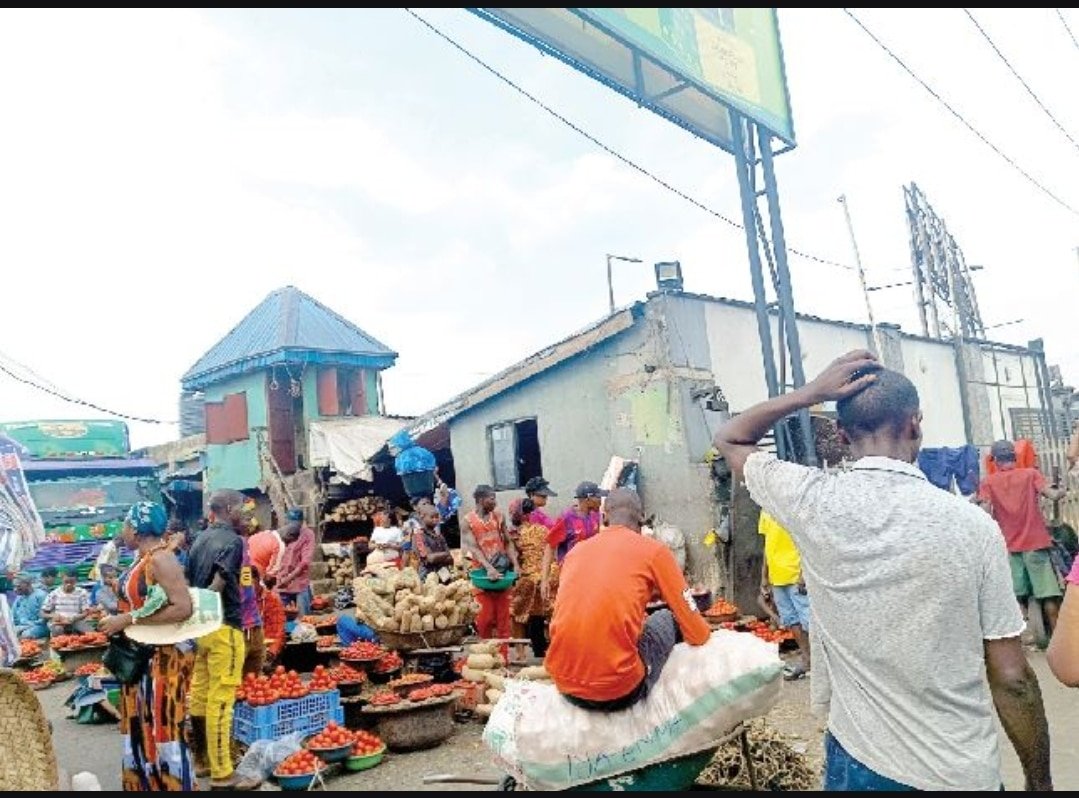
Food prices rising in Lagos 2026 have made feeding a family much tougher than before. Your salary hits the account, and before the month even starts properly, the market has already taken its big share. A basket of tomatoes that used to last the whole week now finishes in two or three days. Garri that once felt cheap now makes you calculate every wrap. Even the reliable rice and beans have turned into weekend decisions instead of everyday meals.
This is the quiet struggle for millions of families in Lagos right now in 2026. Fuel prices keep climbing, transporters add the cost to their fares, and traders pass everything straight to you. The result is simple: basic food that used to feel manageable is now stretching salaries thinner than ever.
This guide is not about fancy diets or motivational “eat healthy on a budget” talk. It’s about what actually works for regular working families in Lagos who just want to feed everyone without borrowing money or skipping meals.
This article covers:
- Why food prices are rising sharply in Lagos in 2026
- Current realistic price ranges for staple foods (as of early April 2026)
- The real reasons behind the increases
- 8 practical budget hacks that actually help Nigerian families cope
- How to reduce food waste and stretch your money further7
Why Food Prices Rising in Lagos 2026 Are Hitting Families Hard
Walk through Mile 12, Oyingbo, Mushin, or any major market in early April 2026 and you’ll feel the difference immediately. Staples that families depend on have become noticeably more expensive.
And the main reason?
Fuel.
Petrol and diesel prices spiked again in March 2026, pushing up transportation and logistics costs across the board. Lagos doesn’t grow enough food to feed itself; most rice, beans, yam, tomatoes, and pepper come from other states. When transporters pay more for fuel (and face multiple levies on the road), the extra cost lands directly in your market bag.
On top of that, Nigeria’s food inflation rose back to 12.12% in February 2026 after a brief slowdown. Prices rarely come down properly even when things ease a little, they just rise more slowly. Many families have already started eating more eba, reducing the variety in their soup, or stretching one pot of stew across more days. These small shifts help, but they’re not enough on their own.
Current Food Prices in Lagos (Early April 2026 Snapshot)
Prices change fast, sometimes weekly, so always confirm at your local market. Here’s a realistic range based on recent market reports:
- Rice (50kg bag, local): ₦53,000 – ₦68,000
- Beans (100kg bag): ₦90,000 – ₦110,000
- Garri (50kg bag, white or yellow): ₦20,000 – ₦35,000+ (varies by quality and market)
- Tomatoes (big basket/crate): ₦10,000 – ₦40,000+ depending on supply and recent spikes
These numbers reflect the pressure on the average family salary. What used to feel comfortable now requires deliberate planning.
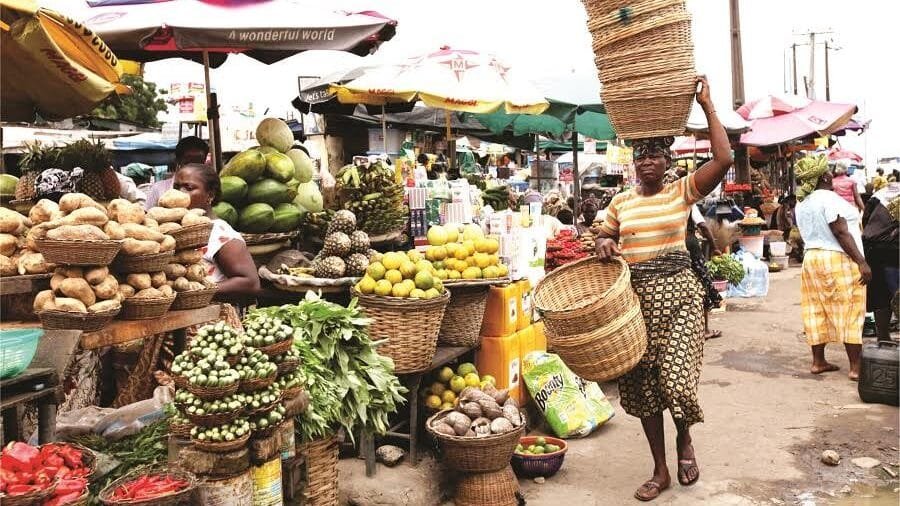
These numbers move fast depending on fuel costs and supply. What stayed the same is the pressure on the average family salary.
Why Food Is So Expensive in Lagos Right Now
Fuel Prices Drive Everything
Transportation is the biggest hidden cost. When petrol jumps, the danfo that carries goods from the North or from farms suddenly costs more. Traders have no choice but to increase their own prices.
Lagos Depends on Food from Outside
We are not growing enough here to feed ourselves. Most rice, beans, yam, and even vegetables come from other states. Any disruption or fuel hike hits us harder than almost anywhere else in the country.
Inflation Doesn’t Let Prices Drop
Even when things ease for a short time, prices rarely come down properly. They just rise more slowly.Many families I know are already feeling the shift, eating eba more often, reducing soup variety, or stretching one pot of stew across more days. These small adjustments help, but they are not enough on their own.
8 Practical Budget Hacks That Actually Work for Lagos Families
Here are realistic steps that many families in Lagos are already using successfully:
Buy in Bulk, But Smartly Full bags of rice, beans, or garri are usually cheaper per unit. If one bag feels too heavy on your pocket or too much to carry, team up with two or three neighbours or colleagues. One person buys this month, another next month. You save money and share the stress of heavy loads.
Choose Local Staples Over Fancy Alternatives Imported or processed options almost always cost more. Realistic swaps that still fill the stomach:
- Imported rice → local rice, more garri, yam or plantain
- Bread → garri, yam or roasted plantain
- Semovita/semolina → amala or eba
Shop Smart, Timing Matters When you go to the market can save you money. Early morning sometimes gives fresher produce at slightly better rates. Late evening, traders may reduce prices to clear remaining stock. Avoid peak periods (festivals, end of month) when everything spikes.

Reduce Market Trips Every extra trip costs transport money and often leads to impulse buying. Plan one solid weekly shop. Write a list and stick to it. You’ll be surprised how much you save by not running back to the market for “small small things” every other day.
Cut Down Food Waste Throwing away spoiled vegetables or leftovers is the same as throwing away money. Simple fixes: blend and freeze extra tomatoes and pepper, reuse leftovers creatively the next day, and avoid cooking more than your family can finish in one or two sittings.
Practice Flexible Meal Planning Forget rigid weekly menus. Go to the market and build meals around whatever is cheapest and in season that week. Substitute expensive items without stress. The goal is to keep everyone fed properly, not to follow a perfect plan.
Start Small-Scale Home Farming Even in Lagos, you can grow something useful. Easy options for balconies, verandas, or sacks include:
You may ask
Why are food prices rising again in Lagos in 2026?
Mainly because of higher fuel (petrol and diesel) costs that increase transportation and logistics. Since Lagos relies heavily on food brought in from other states, any spike hits the markets quickly.
What are the cheapest filling foods in Lagos right now?
Local staples like garri, yam, beans, plantain, and eba/amala remain among the most affordable and satisfying options for most families.
How can a working family actually reduce food expenses?
Combine a few hacks: buy in bulk with others, cut waste, shop once a week with a list, and grow small items at home. Small, consistent changes add up faster than most people expect.
Key Takeaways
- Food prices in Lagos are rising mainly because of fuel and transportation costs.
- Prices remain volatile, always check your local market.
- You don’t need big dramatic changes. Small, smart adjustments can help stretch your money further.
Final Thoughts
Food inflation in Lagos in 2026 is not disappearing anytime soon. It’s just one more pressure on top of rent, transport, school fees, and everything else. But many families are coping by being more deliberate about how they spend on food.
You don’t have to become a market expert or start a full farm tomorrow. Pick one or two hacks from this list that fit your situation and start there. Do them consistently for a few weeks and you’ll notice the difference.
Your family still deserves decent meals. These small, practical steps are how you make sure that happens without constantly robbing one part of the budget to feed another.
Start with this weekend’s market trip. Make one better decision. That’s how it begins.