

You worked hard for that money. You budgeted it. You decided to send it home. But somewhere between your UK bank account and your family’s account in Lagos or Abuja, a chunk of it quietly disappears.
Not stolen. Not lost. Just eaten up by transfer fees, poor exchange rates, and markups that most providers don’t clearly advertise. For Nigerians in the UK sending money home, this monthly frustration costs real money.
The good news? Knowing how to send money from the UK to Nigeria the smart way can save you thousands of naira on every transfer. This guide breaks it all down for 2026.
This article covers:
- Why you’re losing money on transfers without realising it
- The best platforms for sending GBP to Naira in 2026
- Practical tips to maximise how much lands on the other side
The Real Cost of Sending Money Home
Most people only look at the transfer fee. That’s a mistake.The real cost comes from two parts: the visible transfer fee and the hidden exchange rate markup (the difference between the real mid-market rate you see on Google or Wise and the rate the provider actually offers you).
Traditional UK banks often add a 3–6% markup on the exchange rate, plus high fees. On a £1,000 transfer, this can easily cost you £30–£60 before any fee is added.
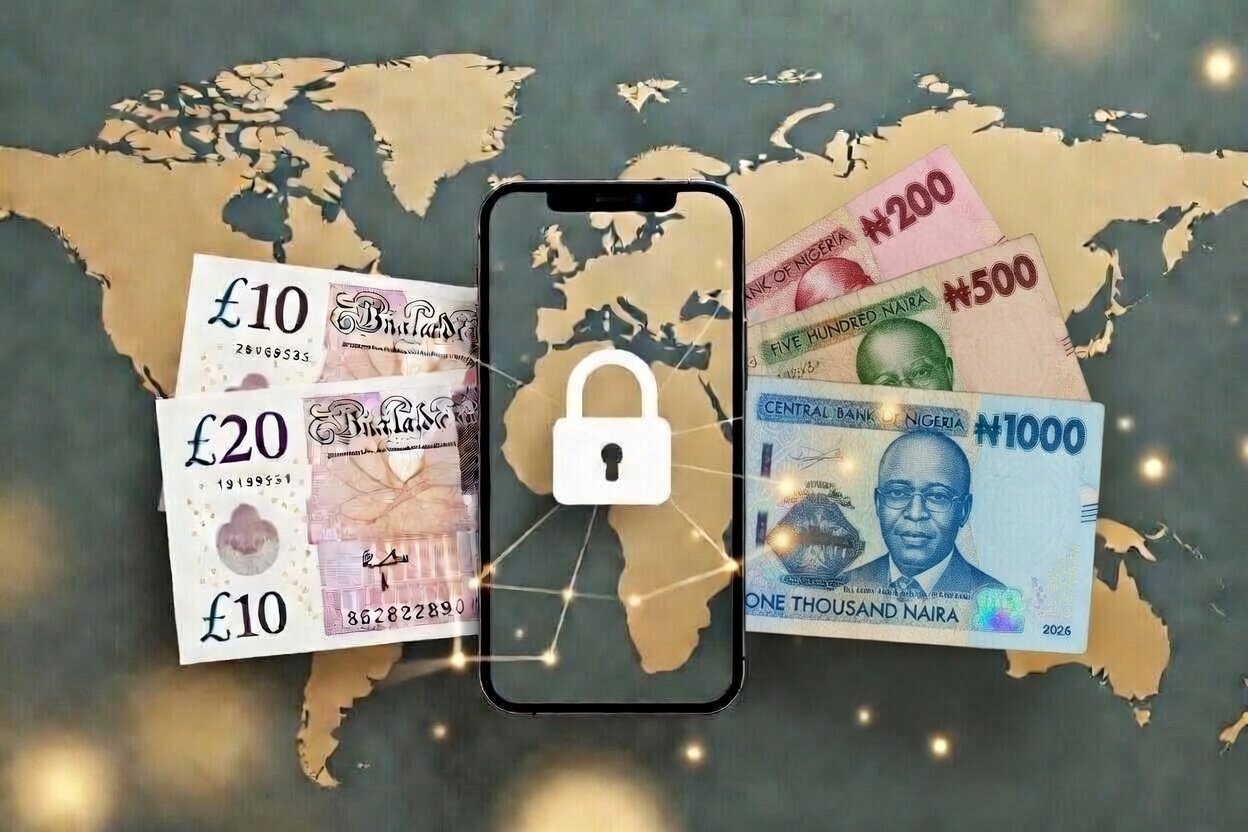
At today’s mid-market rate of roughly ₦1,820–1,840 per pound, a 3% markup means your recipient could receive around ₦54,600–₦55,200 less on every £1,000 sent. That’s money your family never sees. Always check the total amount the recipient will get before confirming any transfer.
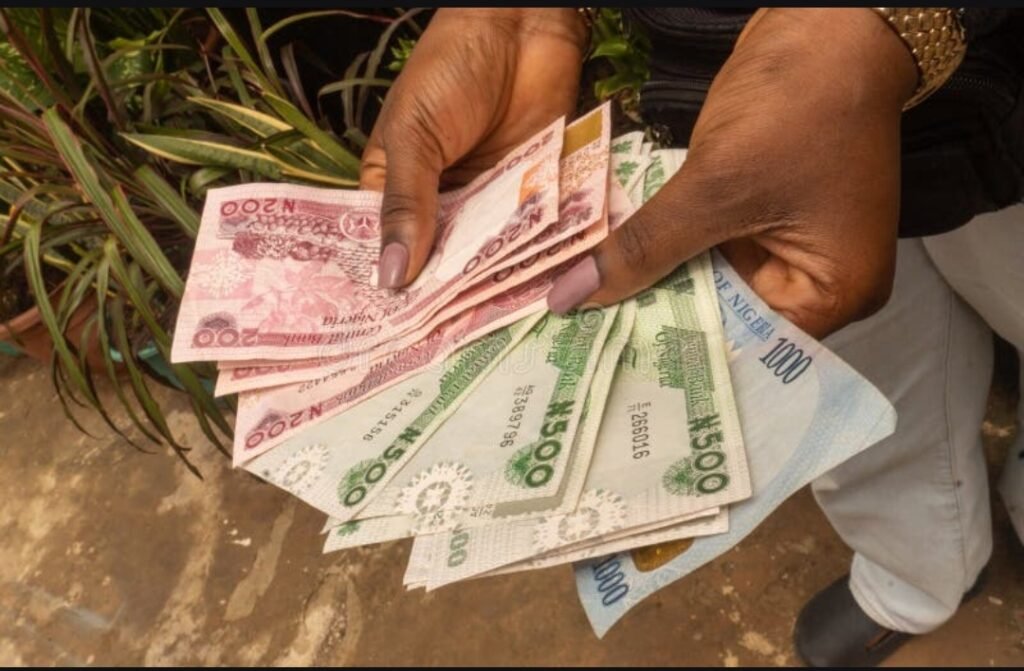
The Best Platforms to Send Money From the UK to Nigeria in 2026
Here’s an honest, up-to-date breakdown of the strongest options. No provider is cheapest every single day – always compare on the day you send.
Wise (Best for Transparency and Larger Transfers)
Wise uses the real mid-market exchange rate with no markup and shows a small, transparent fee upfront. Transfers to Nigerian bank accounts are often completed in seconds to minutes. Ideal for regular or larger sends where clarity matters most.
Sendwave (Best for Zero Transfer Fees)
Sendwave specialises in remittances to Africa and usually charges zero transfer fees. It earns through a modest exchange rate margin (typically 1–3%). Simple, fast, and reliable for frequent smaller-to-medium transfers.
Remitly (Frequently One of the Cheapest Options)
Remitly often ranks among the lowest total-cost providers for UK-to-Nigeria transfers, especially for new customers who get promotional rates. It offers zero or low fees, Express (minutes) or Economy (1–3 days) delivery, and direct bank deposits.
Africhange (Strong for Competitive Rates)
Africhange has become popular among UK-based Nigerians for its zero transfer fees on many routes and consistently competitive exchange rates. Transfers are fast and go straight to Nigerian bank accounts. Worth checking every time.
TransferGo (Good Free Transfer Alternative)
TransferGo frequently offers free transfers to Nigerian banks with solid exchange rates. Some users report strong value, making it worth comparing alongside the others.
Western Union (Best for Cash Pickup)
If your recipient needs physical cash or doesn’t have easy bank access, Western Union remains reliable with widespread pickup locations across Nigeria. Same-day options are often available, though the exchange rate margin is usually higher than digital-first apps.
What to Avoid
Your UK Bank (Barclays, HSBC, NatWest, etc.)
Unless it’s a true emergency, avoid high-street banks. They combine high exchange rate markups with hefty fees, making them one of the most expensive options.
Unregulated or Unknown Apps
Stick to platforms regulated by the UK’s Financial Conduct Authority (FCA). All the options above are properly licensed. Be wary of apps promising unusually high rates without clear regulation or reviews.
Tips to Maximise Every Transfer
Always Compare Before You Send
Rates and promos change daily. Use a free tool like Monito.com to see real-time total costs across providers.
Send Larger Amounts Less Frequently
Consolidate weekly £100 sends into a monthly £400 transfer. This reduces the impact of any fixed fees.
Fund via Bank Transfer (Faster Payments), Not Card
Bank transfers are almost always cheaper than using debit/credit cards.
Watch the GBP/NGN Rate and Time It
The rate can move ₦20–₦40 per pound in a week. If not urgent, monitor for a better day. Wise lets you lock in rates in advance.

Don’t Let the Money Sit Idle
Once it arrives in Nigeria, inflation erodes its value quickly. Move it to a high-yield option like PiggyVest, Cowrywise, or a productive investment rather than a regular current account.
Practical Takeaways – What to Do Before Your Next Transfer
- Never use your regular UK bank for remittances.
- Download Wise, Sendwave, and Remitly (and check Africhange/TransferGo).
- Compare all options on Monito.com right before sending.
- Fund with bank transfer and consolidate smaller amounts.
- Advise your family to move the money quickly into a better savings vehicle.
Frequently Asked Questions
1. Is Sendwave really free for sending money to Nigeria?
Yes, Sendwave usually charges zero transfer fees for UK to Nigeria. However, they make money through a small exchange rate margin. Always compare the final amount your recipient receives, as this can sometimes be slightly less than providers using the mid-market rate.
2. Which platform is the cheapest to send money from the UK to Nigeria?
It varies by amount, day, and whether you’re a new customer. Remitly frequently comes out as one of the cheapest (especially with first-transfer promos), followed closely by Sendwave, Wise, and Africhange. Use Monito.com to check live comparisons for your specific amount.
3. Can I send money to Nigeria without a bank account?
Yes. Western Union offers cash pickup at thousands of locations across Nigeria. Some platforms like Remitly and Wise also support mobile money or cash options in certain areas, but bank deposits are the most common and cheapest route.
4. Are these platforms safe and regulated?
All recommended platforms (Wise, Sendwave, Remitly, Africhange, TransferGo, Western Union) are regulated by the UK’s Financial Conduct Authority (FCA). Your money is protected, and transfers are secure.
The Bottom Line
Every naira that reaches your family in Nigeria represents your hard work in the UK. There’s no reason to lose a significant portion to hidden markups and high fees.
The right platforms and comparison tools exist. Spending just five minutes checking rates can put thousands of extra naira in your loved ones’ pockets.
Send smart. Every kobo counts.
Also read: Dollar vs Naira Savings – Where Should Nigerians Keep Their Money in 2026?
Disclaimer: This is general information only and not personalised financial advice. Exchange rates and fees change frequently. Always verify the latest details directly in the app or on comparison sites before transferring. All recommended providers are FCA-regulated, but you should check current terms yourself.