

If you have been saving up for a US visa, counting down to your visa appointment, or planning a trip to Abuja for your biometrics , April 2026 just made things more complicated.
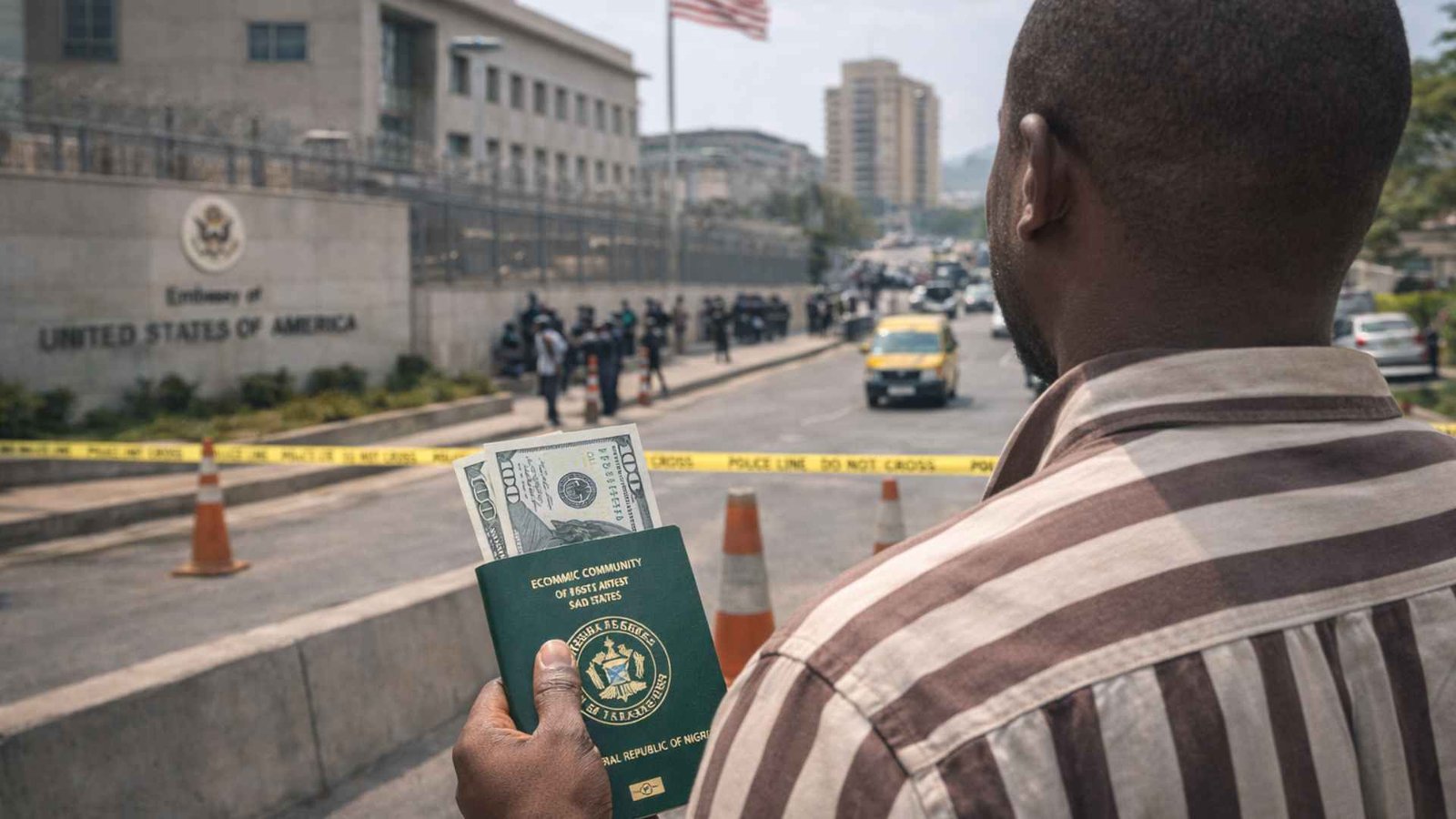
On April 8, 2026, the United States Department of State authorised the voluntary departure of non-emergency government staff and their families from the US Embassy in Abuja, citing a deteriorating security situation. At the same time, the embassy suspended visa appointment services and moved to limited emergency-only operations.
For thousands of Nigerians mid-process; fees paid, flights mentally booked, forms submitted, this is more than a news headline. It is a financial problem.
Here is exactly what happened, what it means for you, and what your next steps should be.
What Actually Happened at the US Embassy in Abuja
The US State Department has been issuing increasingly serious security alerts about Nigeria since early 2026. A March 9 alert warned of possible terrorist threats against US facilities and US-affiliated schools across the country. By April 8, the situation had deteriorated enough that Washington moved to authorize a voluntary departure of non-essential personnel.
The practical result for Nigerians: the Abuja embassy can no longer process routine visa applications. Emergency services for US citizens remain, but consular services for Nigerian applicants — including visa appointments, biometrics, and renewals — are suspended until further notice.
| The US Consulate General in Lagos continues to operate normally and is providing both routine and emergency services to US citizens and visa applicants. |
Nigeria’s overall travel advisory remains at Level 3 (“Reconsider Travel”), and 23 states are now listed under Level 4 (“Do Not Travel”) which is the highest risk classification. New additions to that list include Plateau, Jigawa, Kwara, Niger, and Taraba.
What This Means If You Have a Pending Abuja Visa Appointment
This is the most urgent concern for Nigerians affected right now. Here is the breakdown:
Your appointment fee
The US visa application fee (MRV fee) is non-refundable under standard policy. However, when appointments are cancelled due to embassy operational disruptions, the State Department typically allows fee rescheduling or transfer. Do not assume your money is gone. Check the official US visa information service for Nigeria at ustraveldocs.com for guidance on rescheduling to Lagos or a future Abuja date.
Your appointment slot
If your Abuja appointment has been cancelled or is now inaccessible, you have two realistic options: reschedule to the Lagos Consulate, or wait for Abuja to resume normal operations. Lagos is currently the more reliable option, though it typically has longer wait times.
Documents and DS-160 forms
Nothing changes here. Your DS-160 application, supporting documents, and appointment confirmation remain valid. You are rescheduling a location, not starting over.
The Real Financial Cost: What Nigerians Have Already Spent
A US visa application is not just the visa fee. Consider the full picture of what many applicants have already committed:
| Cost Item | Typical Amount (₦) |
| US visa application fee (MRV) | ₦250,000–₦320,000 |
| Travel to Abuja (transport + hotel) | ₦50,000–₦150,000 |
| Document preparation (notarisation, etc.) | ₦20,000–₦80,000 |
| Visa consultant or agent fee (if used) | ₦50,000–₦200,000 |
| Leave days taken from work | Varies |
For many applicants, the total out-of-pocket before the interview is anywhere from ₦370,000 to over ₦750,000. That money does not disappear because of the embassy shutdown, but it is now in a holding pattern. And holding patterns cost time, and time costs money.
What You Should Do Right Now: 5 Steps
- Check ustraveldocs.com immediately. This is the official portal for US visa applications in Nigeria. Any official guidance on Abuja-to-Lagos transfers, reschedule policies, or fee extensions will appear here first.
- Do not book fresh travel to Abuja. Until the embassy confirms resumed operations, any travel to Abuja for visa purposes is wasted money.
- Explore Lagos Consulate availability. The Lagos Consulate is still processing applications. Appointment slots may be tighter but it is the most reliable path right now.
- Freeze any japa-linked financial commitments. If you were planning to resign, give notice, break a lease, or liquidate investments based on an assumed US visa timeline — pause those decisions until you have a confirmed new appointment date.
- Keep your receipts and documentation. If the embassy eventually announces a formal fee-extension or reschedule policy, you will need proof of your original appointment.
A Note on the Wider Japa Calculation
This situation is a reminder of something NairaSeed has covered before: japa planning must always account for the unpredictable. Visa appointments get cancelled. Embassies have operational disruptions. Policies change. Building in a financial buffer of at least three to six months of planned costs is not pessimism. It is how you protect money you have already planted.
| If your japa plan has a single point of failure, such as one appointment, one timeline, one destination, you do not have a plan. You have a wish. Build redundancy into both your visa strategy and your savings. |
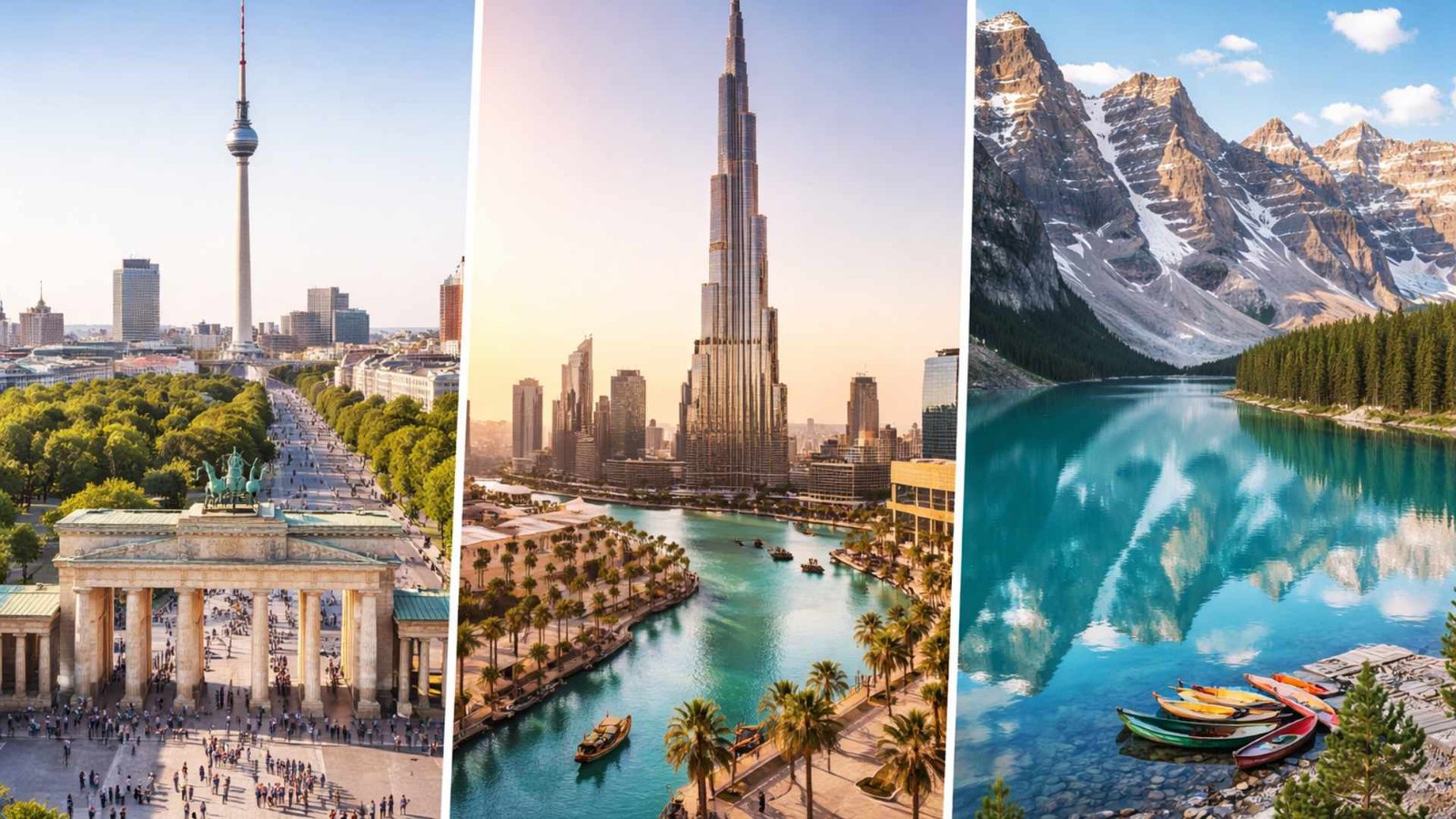
The US visa suspension also reinforces why diversifying destination options matters. Canada, the UK, Germany, and the UAE each have different risk profiles and application windows. A separate NairaSeed guide covers the alternative destinations worth exploring in 2026.
Bottom Line
The US Embassy Abuja suspension is disruptive and financially painful for many Nigerians in the application pipeline. The good news is that the Lagos Consulate is operational, your fees and documents are not lost, and clear steps exist for getting your process back on track.
Do not panic-spend chasing workarounds. Move deliberately, use official channels, and protect the money you have already committed.
Related reading: Alternative Destinations: Germany, UAE, or Canada (Best Options by Profession in 2026)