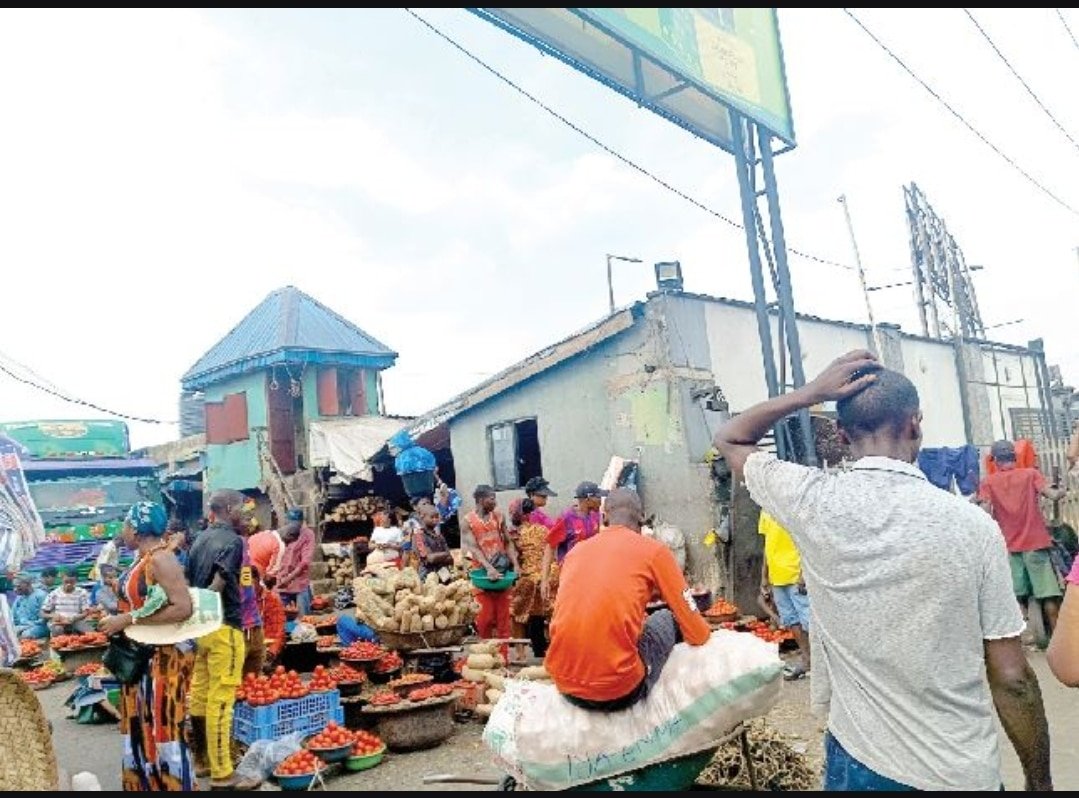


Nigeria’s headline inflation has now fallen to 15.10% which is its lowest point since November 2020, according to the National Bureau of Statistics. Food prices are stabilising. The naira is holding. On paper, 2026 is the best financial environment Nigerians have had in years.
And yet, most Nigerians are still one emergency away from a loan app. A sudden medical bill. A job loss. A broken-down generator in the middle of harmattan. Without an emergency fund, all roads lead to borrowing. The cycle is brutal and familiar.
The good news is that in 2026, building that financial buffer has become more achievable than ever and this is not because salaries have magically increased, but because AI tools now exist that can do the planning, tracking, and discipline that most of us struggle to maintain alone.
Free tools like ChatGPT and Claude, combined with Nigerian savings platforms like PiggyVest and Cowrywise, give every Nigerian a realistic shot at building an emergency fund this year.
This guide shows you exactly how.
Table of Contents
- Why Most Nigerians Still Don’t Have an Emergency Fund
- The 2026 Context: Things Are Getting Better, But Shocks Still Happen
- What AI Tools Actually Do for Your Money
- Step-by-Step: How to Use AI to Build Your Emergency Fund
- Where to Keep Your Emergency Fund in Nigeria
- Practical Takeaways
Why Most Nigerians Still Don’t Have an Emergency Fund
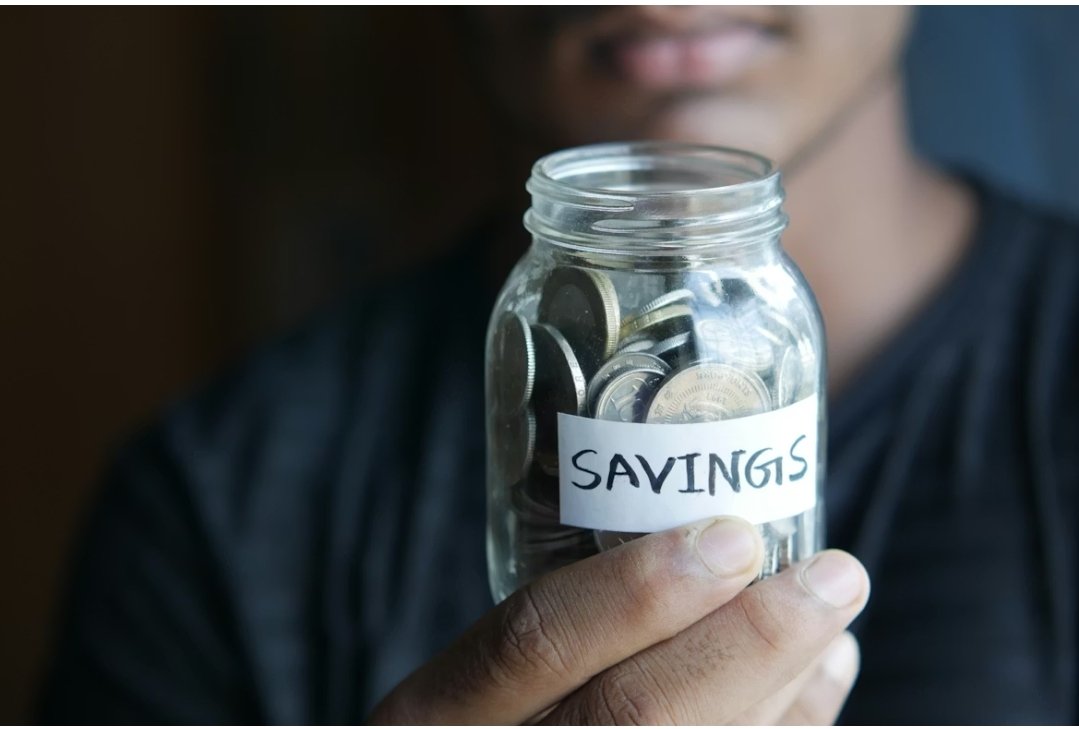
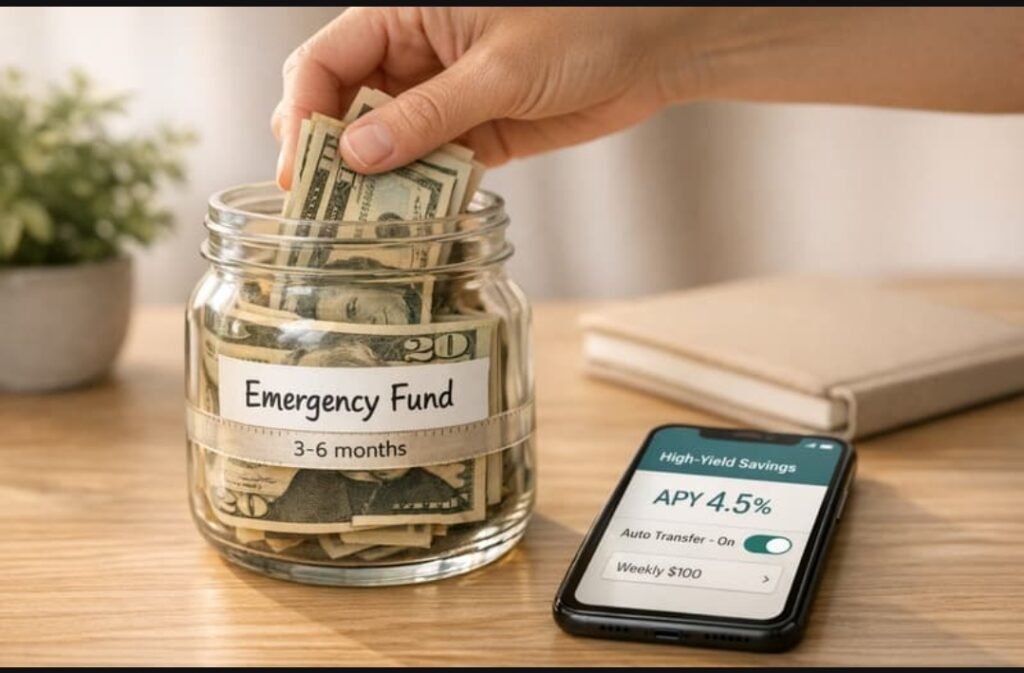
You know you need one. Everyone knows. Save three to six months of expenses somewhere you can access quickly, so that when life happens, you don’t have to run to a loan app at 30% monthly interest.
But here’s the reality: most Nigerian salary earners are operating with so little margin that the idea of setting aside months of expenses feels laughable. You earn ₦200,000. Rent takes ₦80,000. Food, transport, data, family obligations and the rest disappears faster than you can track it. By the 10th of the month, you’re calculating how many days until payday.
This is where AI tools change the game in 2026. Not by giving you more money, but by showing you exactly where your money is going, helping you find the gaps, and automating the discipline that most of us struggle to maintain on willpower alone.
The 2026 Context: Things Are Getting Better, But Shocks Still Happen
Here is the good news first: Nigeria’s headline inflation eased to 15.10% in January 2026, the lowest level since November 2020, according to the National Bureau of Statistics (NBS). Food inflation even cooled to single digits for the first time in over a decade. The naira has stabilised. Real wages, for many Nigerians, are recovering slightly.
But here is the honest part: easing inflation does not mean lower prices. It means prices are rising more slowly. The financial shocks that send Nigerians into debt spirals have not gone away.
The average Nigerian salary sits around ₦339,000 per month in 2026. For those earning below or around that figure, building a 3-to-6-month emergency buffer without a structured plan is nearly impossible. AI tools make that plan possible.
What AI Tools Actually Do for Your Money
In 2026, AI-powered financial tools do three things that matter for everyday Nigerians:
- They track your spending automatically. Instead of manually logging every expense, AI-linked apps connect to your transactions and categorise where your money goes in real time. Most people discover they have no idea where 30 to 40% of their money actually goes.
- They spot patterns and suggest cuts. Once an AI tool knows your spending habits, it identifies where you’re overspending and suggests where money can be redirected.
- They automate savings before you can spend. Rather than saving what’s left at the end of the month (usually nothing), AI-integrated platforms help you set rules that move money into savings the moment your salary lands.
Step-by-Step: How to Use AI to Build Your Emergency Fund
Step 1: Know Your Actual Monthly Expenses
Use ChatGPT or Claude (free, accessible on your phone) as a starting point. Type in your income and all your regular expenses which includes rent, food, transport, data, utilities, school fees, family support. Ask the AI to calculate your true monthly burn rate and identify your biggest spending categories.
Having an AI guide the process removes the emotional resistance of looking at the numbers honestly.
Step 2: Set Your Emergency Fund Target
Aim for 3 months of essential expenses as your first milestone. Not 6 months, that can feel overwhelming and leads to inaction. Ask your AI assistant: “My monthly essential expenses are ₦150,000. How long will it take me to save 3 months of expenses if I set aside ₦15,000 per month? What if I save ₦20,000?” Seeing a clear timeline makes the choice real.
Step 3: Use an Automated Savings App to Lock It In
Discipline is a limited resource. Here’s where Nigerian fintech earns its place:
- PiggyVest SafeLock lets you lock money away for a fixed period so you literally cannot access it until your goal date. Set it up the day your salary arrives.
- Cowrywise automated savings plans tied to goals. Set your emergency fund target and a monthly amount; the platform pulls it automatically. Their money market fund currently yields 21–24% per annum.
- Kuda Bank has a “Spend+Save” feature that rounds up every transaction and saves the difference automatically. Small amounts, but they accumulate.
The ideal setup: use ChatGPT or Claude to calculate your target and timeline, then hand the execution to PiggyVest or Cowrywise to automate the actual saving.
Step 4: Use AI to Find Hidden Savings Every Month
Every month, paste your bank statement summary into ChatGPT and ask: “Based on these spending categories, where am I overspending relative to my income? What could I redirect to my emergency fund?” Nigerians consistently find ₦5,000 to ₦20,000 they can redirect this way: forgotten subscriptions, eating-out habits that crept up, airtime top-ups that could be replaced with a better data bundle.
Step 5: Protect Your Fund from Inflation
Do not keep your emergency fund in a regular savings account earning 8% while inflation sits at 15%. In 2026, the smart move is a money market fund.
Platforms like Cowrywise and PiggyVest offer money market options yielding 21-24% per annum. Your money is still accessible within 24-72 hours if you genuinely need it, but it is not losing value while it waits.
Where to Keep Your Emergency Fund in Nigeria
Here’s a quick comparison of your best options in 2026:
| Platform | Product | Est. Yield | Liquidity |
| Cowrywise | Money market fund | 21-24% p.a | 24-48 hrs |
| Piggyvest | Safelock/Flex dollar | 10-15% p.a | On maturity/flexible |
| Risevest | Dollar denominated funds | Varies | 3-5 business days |
| Regular bank savings | Savings account | 8% p.a | Immediate |
For most Nigerians, Cowrywise or PiggyVest’s money market option is the sweet spot because it gives better returns than a bank, accessible enough for genuine emergencies, and automated enough to build consistently.
Practical Takeaways
Here is your action plan this week:
- Open ChatGPT or Claude on your phone today. Type in your monthly income and all your expenses. Ask it to calculate your monthly surplus and your emergency fund target. This takes 10 minutes.
- Set a first milestone of 3 months of essential expenses. Not 6. Start there.
- Open a Cowrywise or PiggyVest account and set up an automated monthly transfer to a money market or SafeLock product.
- Do a monthly AI spending audit. Paste your expense summary into ChatGPT and ask where you can trim. Find an extra ₦5,000 to ₦20,000 to redirect.
- Never keep your emergency fund in a current account. Put it in a money market fund earning above inflation.
- Do not touch it. Every time you are tempted, remember what it costs to borrow ₦100,000 from a loan app at 30% monthly interest.
The Bottom Line
Building an emergency fund in Nigeria has always been hard. Tight margins, family obligations, inflation, and economic unpredictability have made saving feel like a luxury for people who already have enough.
But 2026 is different. Inflation is easing. The naira is more stable. And AI tools can now do the thinking, tracking, and planning that used to require either a financial advisor or an iron will.
Your emergency fund is not a luxury. It is the wall between your future self and a loan app. Start planting today.
Next read: Dollar vs Naira Savings— Where Should Nigerians Keep Their Money in 2026.