

Let’s be honest, most of us know we should have savings sitting somewhere for a rainy day. But between rent, feeding, data, transport, and everything else life throws at you in Nigeria, that money never quite makes it to a savings account.
This guide breaks down what an emergency fund actually is, why it matters more here than almost anywhere else, and how to start building one, even on a salary that already feels stretched.
This isn’t a lecture. This is a practical breakdown of what an emergency fund really is, why it matters more in Nigeria than almost anywhere else, and how to start building one even when money is tight.
Why Every Nigerian Needs an Emergency Fund (And How to Actually Build One)
The truth is, emergencies don’t send a calendar invite. In Nigeria especially, they show up unannounced. You get to see issues like a sudden job loss, a medical bill the HMO won’t cover, a landlord who wants the full year upfront, a car that picks the worst possible week to break down. And when there’s nothing saved, the only options left are borrowing, selling something, or calling people you’d rather not call.
That’s not a personal failure. That’s what happens when nobody teaches you to prepare for the unpredictable.
An emergency fund changes that equation entirely. It’s not about being rich, honestly. It’s rather, about building a buffer between you and the next crisis. And that’s exactly what we’re going to show you how to do.
First, What Even Is an Emergency Fund?
It’s not a general savings account. It’s not money you’re “keeping for something.”
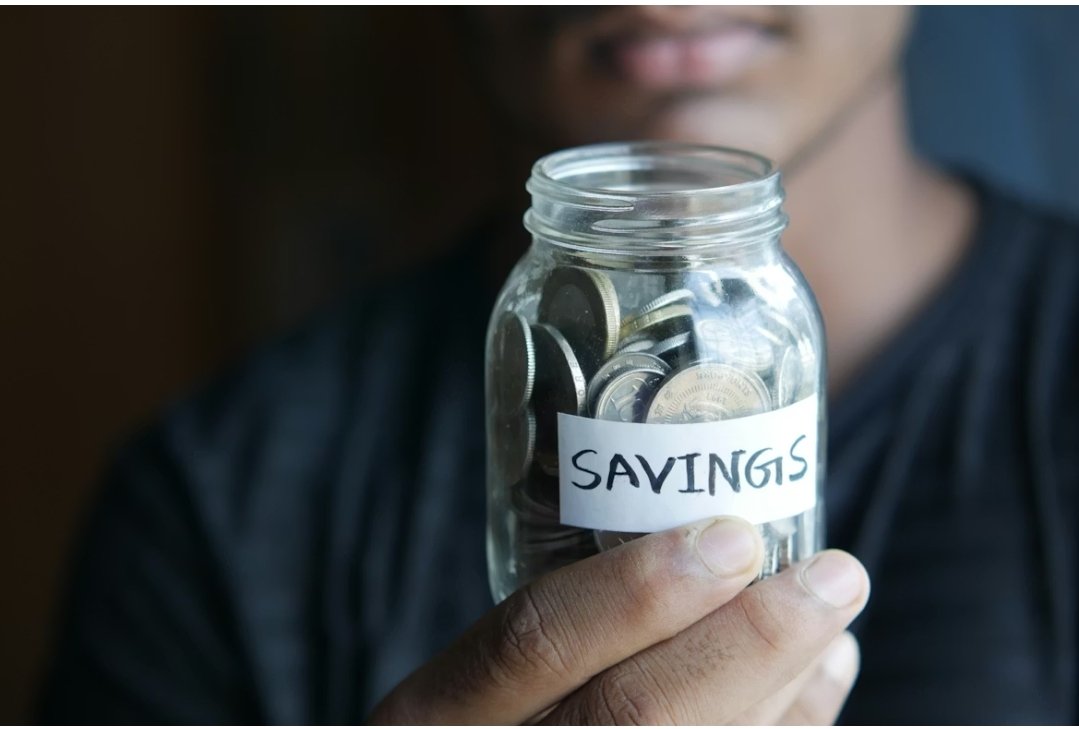
An emergency fund is a dedicated amount of money set aside only for genuine emergencies like job loss, a medical bill, your generator packing up at the worst possible time, or your landlord showing up three months early.
The rule of thumb is three to six months of your essential expenses. That’s the number you’re working toward.
Why Nigeria Makes This More Urgent Than You Think
In a more stable economy, missing a month of income is stressful. In Nigeria, it can unravel everything.
The naira fluctuates. Inflation moves faster than salaries. Power is a bill you can’t predict. Health emergencies don’t come with a payment plan. And the banking system isn’t always your friend in a crisis.
Without a buffer, the next unexpected expense doesn’t just inconvenience you, it sends you to a lender. And loans taken in panic almost always cost more than the problem they were meant to solve.
An emergency fund is the gap between a bad week and a financial spiral.
Before You Save Anything, Know Your Numbers
You can’t set a target without knowing where you’re starting from.
Spend one week tracking every naira that leaves your account. Salary. Transport. Data. Rent. Feeding. That suya on Friday. Everything.
Once you have that picture, group your expenses into two buckets: fixed (rent, utilities, loan repayments) and variable (food, entertainment, discretionary spending). Fixed costs are your floor. Variable costs are where your savings will come from.
From there, calculate what three months of your essential expenses actually looks like in naira. That’s your first emergency fund target. Start there. Don’t aim for six months yet — aim for three, then extend.
The Budget That Actually Works: 50/30/20
If you’ve never had a budget structure before, start with this:
50% of your income goes to needs such as rent, utilities, food, transport. 30% goes to wants — dining out, subscriptions, lifestyle. 20% goes straight to savings, and your emergency fund comes out of this.
It won’t feel comfortable at first. That’s normal. The goal isn’t comfort; it’s control.
If 20% feels impossible, start at 10%. The consistency matters more than the percentage.
Automate It So You Don’t Have to Rely on Willpower
Here’s the truth: willpower runs out. Especially at the end of a hard month.
The single most effective saving habit is removing the decision entirely. Set up an automatic transfer, the moment your salary hits, a fixed amount moves to a separate savings account before you touch anything else.
Out of sight, out of mind, and slowly growing.
Most Nigerian banks allow standing orders or scheduled transfers. If yours does, set it up today. Even ₦5,000 or ₦10,000 a month adds up faster than you think when it’s consistent.
Find the Leaks in Your Spending
Most people don’t lose money to big purchases. They lose it to a hundred small ones they stopped noticing.
Subscriptions you forgot you have. Data top-ups that happen too often. Weekly expenses that feel cheap individually but compound into a significant number by month-end.
Go through your last 30 days of transactions. Highlight everything non-essential. Pick two or three to cut entirely, and redirect that money to your emergency fund. You won’t miss most of them after the first week.
Your Side Income Belongs in Your Emergency Fund First
If you’re freelancing, doing weekend gigs, or running a small side business — the money from those shouldn’t go straight into lifestyle.
Put it in your emergency fund first. All of it, or at least a significant portion, until you hit your three-month target. Once you hit that number, you can start directing extra income elsewhere.
The emergency fund comes before the new phone. Before the trip. Before the upgrade. It’s the most important financial purchase you’ll make.
Set a Target. Track It Visibly. Celebrate the Milestones.
Vague goals don’t get funded. Specific ones do.
Don’t say “I want to save more.” Say “I’m building a ₦300,000 emergency fund in 12 months.”
Write that number down. Break it into monthly targets. Track your balance every week — even if progress is slow. When you hit 25% of your goal, acknowledge it. When you hit 50%, celebrate it. Not by spending, but by recognising the discipline it took.
Tools like budgeting apps or even a simple spreadsheet work. The method matters less than the habit of checking in regularly.
What to Do When Life Gets in the Way
You’ll miss a month. Unexpected expenses will interrupt the plan. That’s not failure — that’s life.
When it happens, don’t abandon the goal. Adjust the timeline. If you planned to hit your target in 10 months and something sets you back, make it 12 months. Keep moving.
Rigid plans break. Flexible ones compound.
The Bottom Line
An emergency fund isn’t a luxury for people with high salaries. It’s a survival tool and in Nigeria, it’s one of the smartest financial decisions you can make.
Start small. Start now. Automate what you can. Cut what you don’t need. And keep going even when it’s slow.
Because the version of you that has three months of expenses sitting safely in a savings account doesn’t panic when things go wrong. They just handle it.
That’s the goal.
Related reading: If you’re weighing where to actually put your money, see Money Market Funds vs Treasury Bills: Where Should You Keep ₦500,000 in Nigeria?.
Related reading: Not sure whether to invest, save, or pay off debt first? See I Have ₦500,000. Should You Invest It, Save It, or Use It to Clear Debt?.
Related reading: Working with a larger amount? See I Have ₦1 Million. What Should I Do With It?.
Related reading: For the general version of this question, see Should You Pay Off Debt or Start Investing?.
Related reading: Got a bonus or windfall instead of a fixed amount saved? See What Should You Do With Your Bonus or Extra Income?.
Related reading: Wondering where your emergency fund itself should actually sit? See Should You Keep Your Emergency Fund in Cash or a Money Market Fund?.